Scaling Sales Engineering
Building operating rhythms, coaching structures and field alignment for distributed teams across regions.
Open to Sales Engineering leadership opportunities
Cybersecurity · Field technical leadership
Building and scaling Sales Engineering teams—and translating deep technical security risk into decisions leaders can act on.
Hamburg, Germany · Open to remote and EMEA-wide leadership roles
About
Cybersecurity Sales Engineering leadership across automated penetration testing, threat intelligence and vulnerability management.
I have spent two decades on the technical front line of cybersecurity—first as a hands-on consultant and engineer, then building the teams that help security leaders distinguish real exposure from noise.
At Pentera, I progressed from individual-contributor Sales Engineer to VP Global Sales Engineering, extending my leadership remit across EMEA, APAC and the global organisation as the company scaled.
Earlier roles at Recorded Future, Tenable, Qualys and indevis gave me a broad operating view: from deep product and customer work to regional leadership, executive communication and field strategy.
Where I add value
The common thread is translation: connecting technology, customer risk, field execution and executive priorities.
Building operating rhythms, coaching structures and field alignment for distributed teams across regions.
Turning fragmented security findings into a continuous, evidence-led view of meaningful business exposure.
Moving beyond annual assessments toward repeatable validation of how security controls perform in practice.
Translating technical evidence into clear priorities and decisions for CISOs, boards and commercial leaders.
Experience
From consulting and account leadership to global Sales Engineering management.
Progressed from an individual-contributor role through EMEA and APAC leadership to responsibility for the global Sales Engineering organisation.
Helped enterprises turn threat intelligence into operational security decisions.
Advised enterprise teams on vulnerability management and cyber exposure.
Supported customers adopting cloud-based security and compliance programmes.
Developed hands-on security consulting expertise before leading the northern-Germany regional office.
Featured work
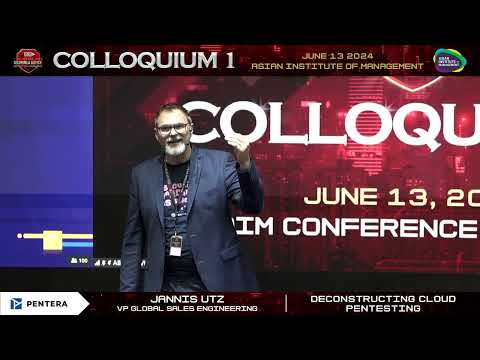
A recent German-language podcast, a conference presentation and an international interview.
Working principles
Short perspectives—not additional published articles—on recurring leadership and security questions.
Continuous validation
Cloud environments, identity sprawl and continuous deployment change attack surfaces faster than annual assessment cycles can follow. Validation increasingly needs to be repeatable and integrated into how teams prioritise remediation.
The difficult part is not only the technology. It is designing an operating model that can consume continuous evidence without turning it into more noise.
Executive communication
Technical teams naturally think in vulnerabilities, exploitability and control gaps. Executive stakeholders need a smaller set of evidence-led statements: what is exposed, why it matters and which action changes the risk.
Field leadership
Repeatability matters, but the best field teams are not built by standardising every conversation. They are built by giving technically credible people a shared operating system—and enough context to exercise good judgement with customers.
These are concise working perspectives. The separately identified articles in the archive are the only pieces presented as authored publications.
I am currently open to VP and Head of Sales Engineering opportunities across EMEA, as well as relevant conference, panel and podcast invitations.